
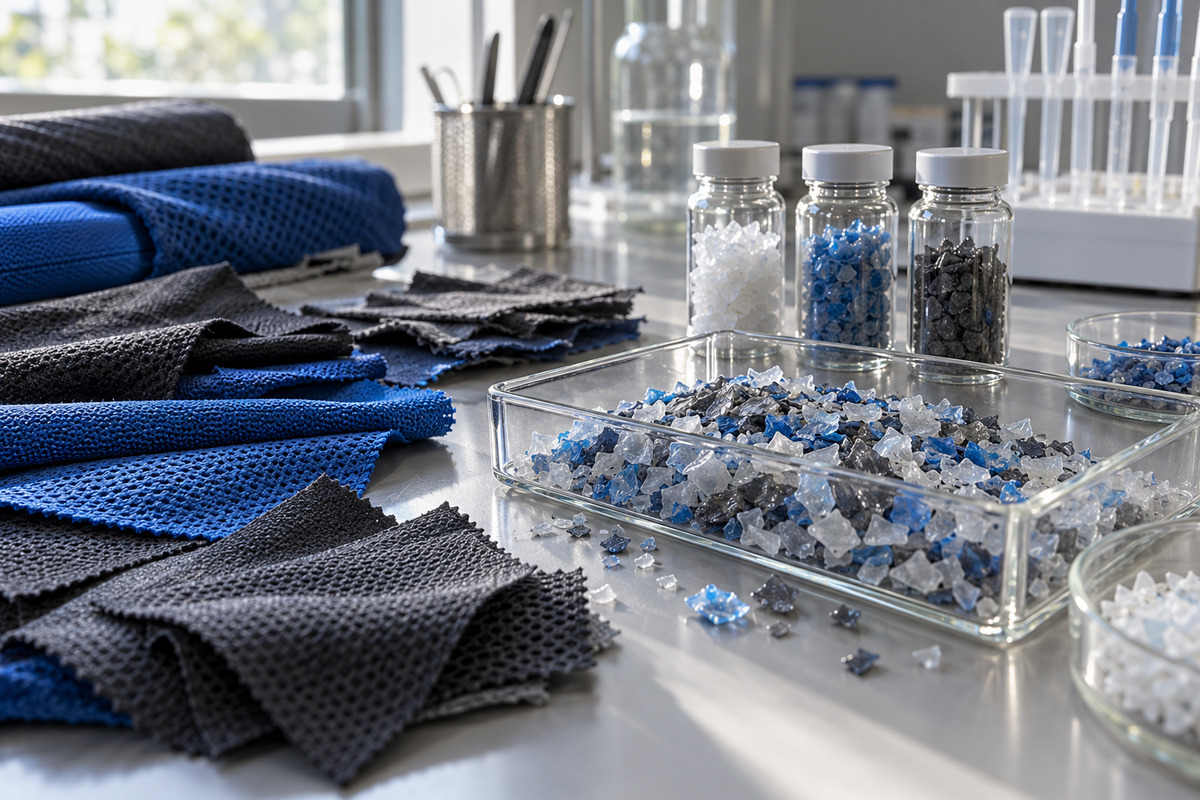
Funding the recycling scale-up
Samsara Eco announced A$100 million in Series A+ funding on June 27, 2024. Temasek and Main Sequence led, alongside Wollemi Capital, lululemon, Hitachi Ventures, Titanium Ventures (formerly Telstra Ventures) and DCVC. Plans included Southeast Asian facilities, more enzymes and additional chemists, engineers and technicians. Waste-processing and monomer ambitions had different bases: millions of tonnes and tens of thousands of tonnes, respectively.
Founder and CEO Paul Riley said EosEco combines biophysics, chemistry, biology and AI to recover manufacturing feedstocks. Main Sequence partner Phil Morle backed its textile-waste potential. Launched in 2020, Samsara Eco followed A$56 million Series A funding in 2022. Mitchell’s proof-of-concept site was operating; Jerrabomberra’s innovation campus was under construction in Australia. Riley claimed lower temperatures and pressures, shorter recycling times and reduced waste and emissions.

An apparel partner and minority investor
lululemon’s relationship with Samsara Eco began before the 2024 fundraising. In 2023, the apparel company announced a multi-year collaboration to turn discarded clothing into recycled nylon and polyester. The transaction included lululemon’s first minority investment in a recycling company. At that point, Samsara Eco described the arrangement as its largest apparel-industry partnership. The partners intended to work with high-performance nylon and polyester blends used in lululemon products.
Yogendra Dandapure, lululemon’s vice president for raw-materials innovation, identified nylon as the company’s biggest opportunity within its sustainable-product goals for 2030. Chief supply-chain officer Ted Dagnese linked the collaboration to innovation across its value chain. The retailer’s wider activities also included its Like New resale programme and plant-based nylon products developed with Geno. Those were separate initiatives: the Samsara Eco collaboration specifically concerned recovering material from apparel waste and turning it into feedstock for new products.
Nylon samples with a defined content basis
In February 2024, lululemon and Samsara Eco presented samples of the Swiftly Tech Long-Sleeve Top made with enzymatically recycled nylon 6,6. The companies called this the first product of its kind. More than 90% of the nylon in each sample came from Samsara Eco’s enzymatic process. That percentage applied to the nylon component of the samples; the announcement did not define it as the recycled share of the entire garment’s weight.

The material inputs included end-of-life lululemon nylon clothing, among it leggings, combined with non-textile materials. lululemon said the samples retained the fit, feel and quality expected of its products. Nylon 6,6 was already a core fibre in products such as Align and Wunder Train leggings. The retailer identified limited supplies of recycled alternatives meeting its performance standards and said recycled nylon generally came from post-industrial waste. Dandapure described further work with Samsara Eco to scale the technology over the following months and years.
A polyester jacket with several feedstocks
A separate 2024 product milestone was lululemon’s limited-edition Packable Anorak, its first marketed product using enzymatically recycled polyester. The jacket combined bioprocessing technologies rather than relying on a single material pathway. Samsara Eco contributed enzyme-based recycling, while LanzaTech supplied technology that captures industrial carbon emissions and converts them into building blocks for polyester. lululemon described the resulting fabric as retaining the lightweight, quick-drying feel and quality associated with the garment.
The inputs included mixed plastic waste, lululemon clothing at the end of its usable life and converted carbon emissions. Samsara Eco’s role was to use patented enzymes to break down complex synthetic blends; LanzaTech’s contribution concerned captured emissions. Dandapure characterised the capsule product as an opportunity to test and learn before expanding across the supply chain. The brand placed that work within its circular-design objective of maintaining products’ value and use for as long as possible before their materials were recycled into new products.

Research that connects monomers and useful chemicals
At the Australian National University, doctoral researcher Rosie Georgelin worked on optimising enzymes that break plastics into monomeric forms suitable for making new plastics. She also investigated chemoenzymatic upcycling, which aims to convert plastic into other useful chemicals. Her name appeared alongside Samsara Eco scientists on the patent associated with fabric used in the recycled-polyester jacket. ANU described that contribution in July 2024, after the funding announcement.
Georgelin began her doctorate in 2022 under Professor Colin Jackson’s mentorship. During her honours studies at ANU’s Research School of Chemistry, Jackson had offered her a research-assistant position at Samsara Eco. Her Industry PhD combined supervision by the university and an industry host. By July 2024, she was employed at the company for a day and a half each week and spent the remaining time at ANU. She described exposure to business strategy and project management alongside experimental research, while her scientific work also pursued alternatives to fossil feedstocks in the broader chemical supply chain.
Protein engineering through an Industry PhD
Another ANU doctoral candidate, Chloe Gomez, developed enzymes for breaking down PET plastics in collaboration with Samsara Eco. Professor Colin Jackson, identified by the university as the company’s research founder, supervised her at the Research School of Chemistry. The project received support through the Department of Education’s National Industry PhD Program, specifically its Industry Linked PhD stream. ANU profiled the work on August 9, 2024.
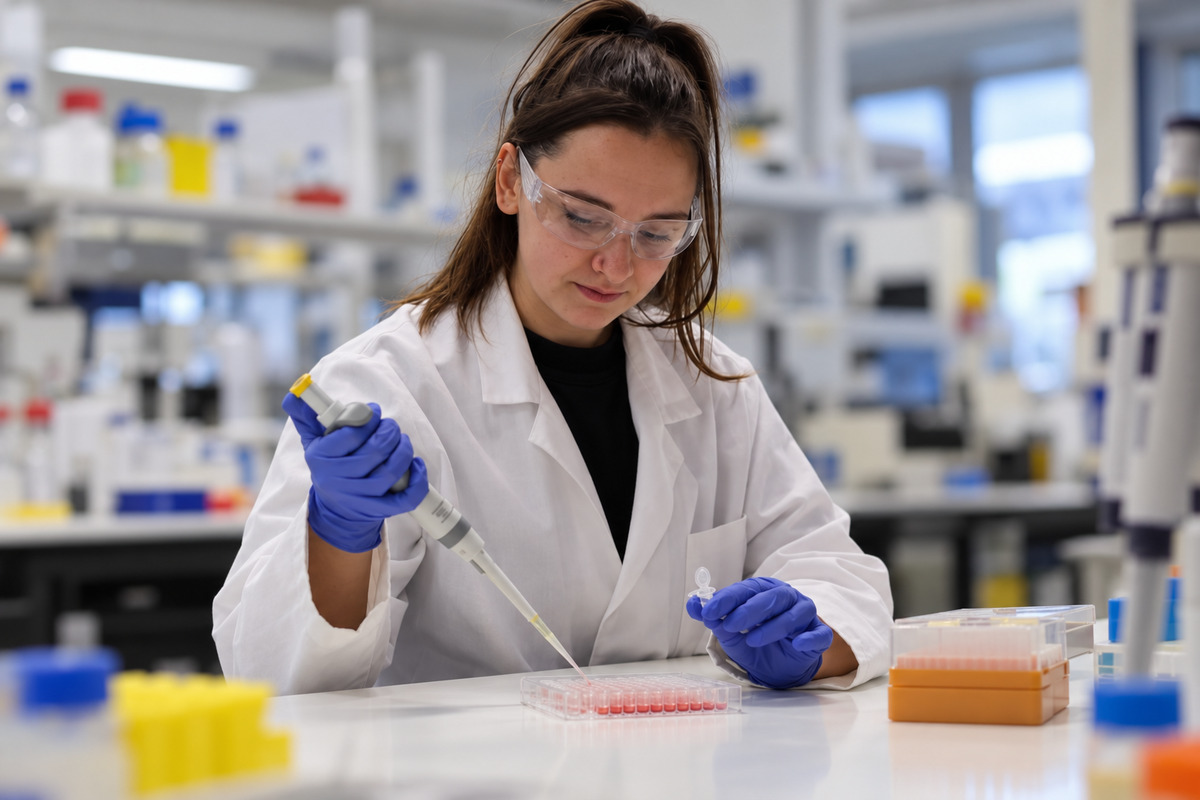
Gomez had met Jackson while visiting ANU on exchange in 2020. She subsequently completed a chemistry master’s at the University of Nottingham in the United Kingdom and worked on plastic recycling and protein engineering before moving to Canberra for the doctorate. At the time of the profile, she worked one day a week with Samsara Eco, while most of her university research related to its projects. She described a combination of academic and industrial work, with laboratory science remaining central rather than a move into a purely commercial role.
The textile market behind the recycling work
Textile Exchange’s September 2024 market release put global fibre production at 124 million tonnes in 2023, compared with 116 million tonnes in 2022. Its scope included apparel, home textiles, footwear and other applications. Within that release’s statistical vintage, virgin fossil-based synthetic-fibre production increased from 67 million to 75 million tonnes. Polyester represented 57% of total fibre output. These were global material figures, rather than Samsara Eco’s addressable contracts or processing volumes.
Recycled polyester production increased, but its share of the polyester market fell from 13.6% to 12.5%. Recycled polyamide represented only 2% of that fibre’s market. Less than 1% of the fibre market came from pre-consumer and post-consumer recycled textiles, while most recycled polyester still originated in PET bottles. Textile Exchange attributed constraints to factors including virgin-synthetic prices, continued virgin production and recycling-technology limitations. Chief executive Claire Bergkamp called for textile-to-textile pathways alongside support for producers already investing in preferred materials.

NILIT’s proposed nylon recycling partnership
In August 2024, Samsara Eco and nylon producer NILIT announced a proposed textile-to-textile facility for nylon 6,6 in Southeast Asia. At that stage, the site was expected to begin operating in late 2026. Samsara Eco chief commercial and operations officer Sarah Cook described a memorandum of understanding and exploration of a pilot recycling facility. The announcement therefore concerned development intentions, rather than an operating plant or a confirmed production result.
The proposed combination paired Samsara Eco’s EosEco enzymes with NILIT’s polymerisation and spinning technologies to make recycled nylon 6,6 yarn. The partners identified coloured and blended textile inputs among the materials they sought to process. Nylon 6,6 mixed with fibres such as spandex was a particular recycling challenge. NILIT general manager Ilan Melamed placed the collaboration within its broader strategy for lower-impact apparel materials, while Riley pointed to discarded activewear and automotive interiors among potential waste streams. Those applications extended the intended feedstock base beyond a single clothing brand’s products.
Extending the enzyme library to nylon 6
On December 10, 2024, Samsara Eco announced enzymes capable of recycling nylon 6, adding another polymer to its previously stated capabilities in nylon 6,6 and polyester. The company identified apparel, hosiery and automotive products as common nylon 6 applications. It said the enzymes could break the polymer into its original building block for reuse and characterised the development as the result of intensive research, laboratory testing and bench-scale proof of concept.

The next step described by the company was collaboration with textile and automotive customers and strategic partners to trial the enzymes on nylon 6 products and blended materials. Those trials were to use the Jerrabomberra innovation campus, then expected to open in mid-2025. Riley also identified coloured and dyed fibre blends within the company’s wider recycling ambitions. This December announcement concerned a specific extension of the enzyme library: its bench-scale status did not establish the capacity of a commercial nylon 6 plant or a measured production volume.
Engineering a commercial nylon 6,6 facility
KBR’s involvement introduced an engineering programme in April 2025. On April 30, the companies announced that KBR would help design Samsara Eco’s first-of-a-kind plastics and textile enzymatic-recycling plant, with completion planned for early 2028. The stated commercial design capacity was 20,000 metric tonnes per year for nylon 6,6. That was a prospective annual capacity for the proposed facility, rather than a record of waste already processed.
KBR was to carry out preliminary front-end engineering design, or pre-FEED, by the end of the second quarter of 2025, followed by a full FEED package for the process design. Jay Ibrahim, president of KBR Sustainable Technology Solutions, supported the project’s commercialisation objective. Riley emphasised the engineering work required to bring the technology to industrial scale. The announced sequence comprised preliminary design, a more detailed engineering package and construction of the commercial plant. The agreement itself did not certify that those later stages had already been completed.

A ten-year offtake plan with lululemon
During 2025, lululemon and Samsara Eco expanded their relationship through a ten-year offtake plan for recycled raw materials. lululemon said the arrangement could eventually support approximately 20% of its overall fibre portfolio. The conditional estimate referred to the company’s broader portfolio, not a minimum recycled-content percentage in every product or a statement that the material had already been delivered. The intended supplies covered nylon 6,6 and polyester.
Dagnese described the relationship as part of a diversified approach to material innovation and reduced reliance on fossil-derived resources. Riley likewise presented the agreement as a step towards a circular apparel ecosystem. At the time of that announcement, Jerrabomberra was still due to open, with a role in increasing material volumes and advancing EosEco. An international commercial facility was expected in 2028. The longer-term buying relationship and the proposed manufacturing expansion were both prospective components of the partners’ plan, building on their earlier garment samples and limited-edition product work.
Testing dyes, coatings and polymer processing
Deakin University’s Recycling and Clean Energy Commercialisation Hub, known as REACH, joined Samsara Eco in a research collaboration announced in August 2025. The work concentrated on synthetic fibres and mixed textile materials, including nylon and polyester. Deakin contributed chemical-analysis and polymer-processing expertise to examine substances present in textile waste. Those substances included dyes, coatings, finishes and other treatments that can affect both the breakdown and rebuilding of synthetic fibres.

Distinguished Professor Colin Barrow, chair in biotechnology at Deakin’s School of Life and Environmental Sciences, identified the effects of those treatments as a central research question. Associate Professor Chris Hurren, from the Institute for Frontier Materials, also participated, testing recycled materials under real-world polymerisation and processing conditions. The programme included three connected tasks: Samsara Eco described faster, larger-scale and more precise recycling as an objective of the research, rather than publishing a completed performance result from it.
- Identifying textile contaminants;
- Examining their effects on recycling;
- Testing the resulting materials in manufacturing processes.
Jerrabomberra opens in September 2025
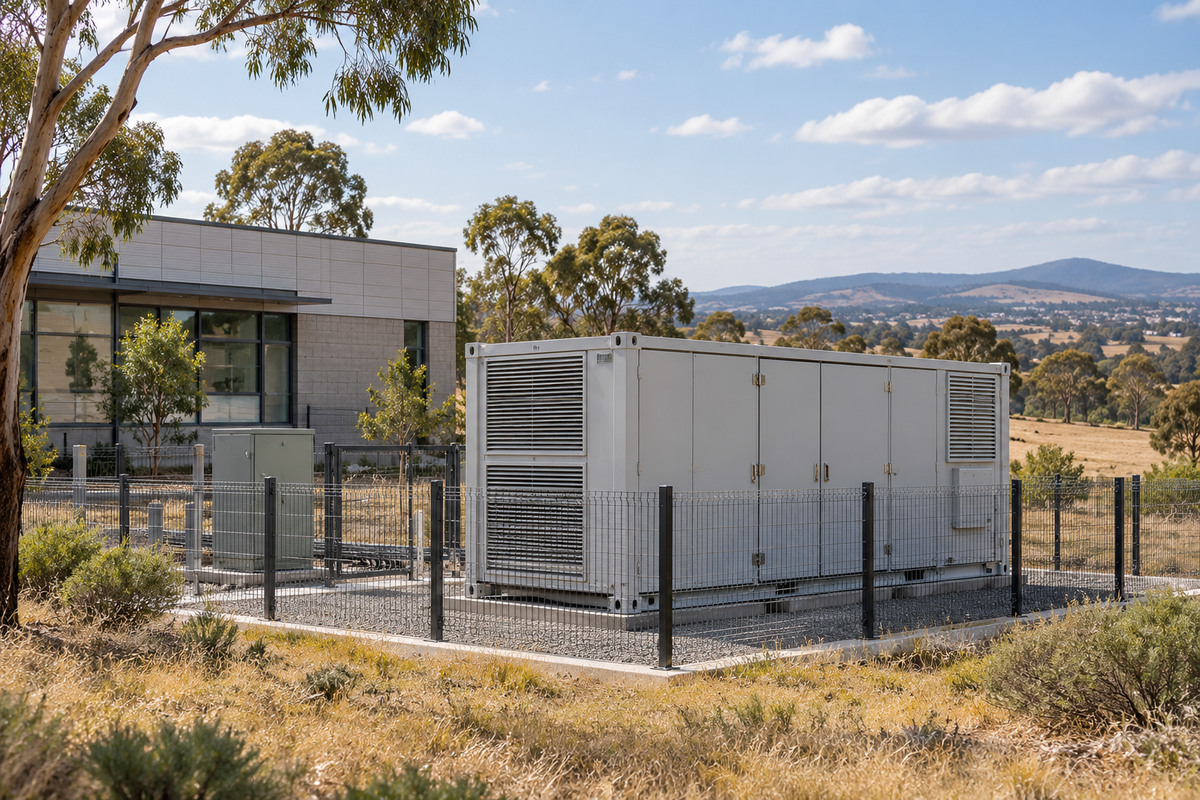
Samsara Eco opened its Jerrabomberra plant and headquarters in regional New South Wales in September 2025. The company identified the facility as a commercial-scale step beyond its earlier bench, pilot and demonstration work. It housed EosEco and expanded enzyme-production capacity, with materials intended for apparel, packaging and automotive applications. Riley put its potential output in garment-equivalent terms, saying it could support hundreds of thousands of garments annually; that was a capacity claim, rather than recorded sales.
The company planned to incorporate materials from the site into forthcoming product lines for partners including lululemon and into pilot programmes across several sectors. Research hosted there also included work with The LYCRA Company on recycling spandex and the Deakin collaboration under the Australian Government’s Trailblazer Universities Program. Investors named in connection with the project included Main Sequence, Temasek, Greycroft and Hitachi Ventures. Greycroft principal Carley Phillips supported the facility’s scaling role, while Main Sequence’s Morle described the opening as a milestone for Australian innovation.

Pooling demand from outdoor brands
A further commercial initiative followed on November 25, 2025, when Samsara Eco and the European Outdoor Group launched the Nylon Materials Collective. The collaboration was intended to help outdoor brands obtain enzymatically recycled nylon through pooled purchasing volumes and links with supply-chain partners. Samsara Eco’s Sarah Cook specifically identified smaller brands and companies buying fabric, rather than raw fibre, among those the collective sought to serve. Participation was open to European Outdoor Group members.
The group represented around 150 brands, retailers, associations and other organisations across the value chain. Its head of sustainability and corporate social responsibility, Dr Katy Stevens, supported combining demand and expertise to make recycled materials more accessible. Samsara Eco intended to show recycled nylon samples around the group’s participation at ISPO Munich 2025. The collective added a demand-aggregation mechanism to the company’s existing direct brand relationships, with access and implementation among its stated objectives. It did not announce a combined purchase tonnage, guaranteed member uptake or completed deliveries to every participating brand.
















Leave a comment