
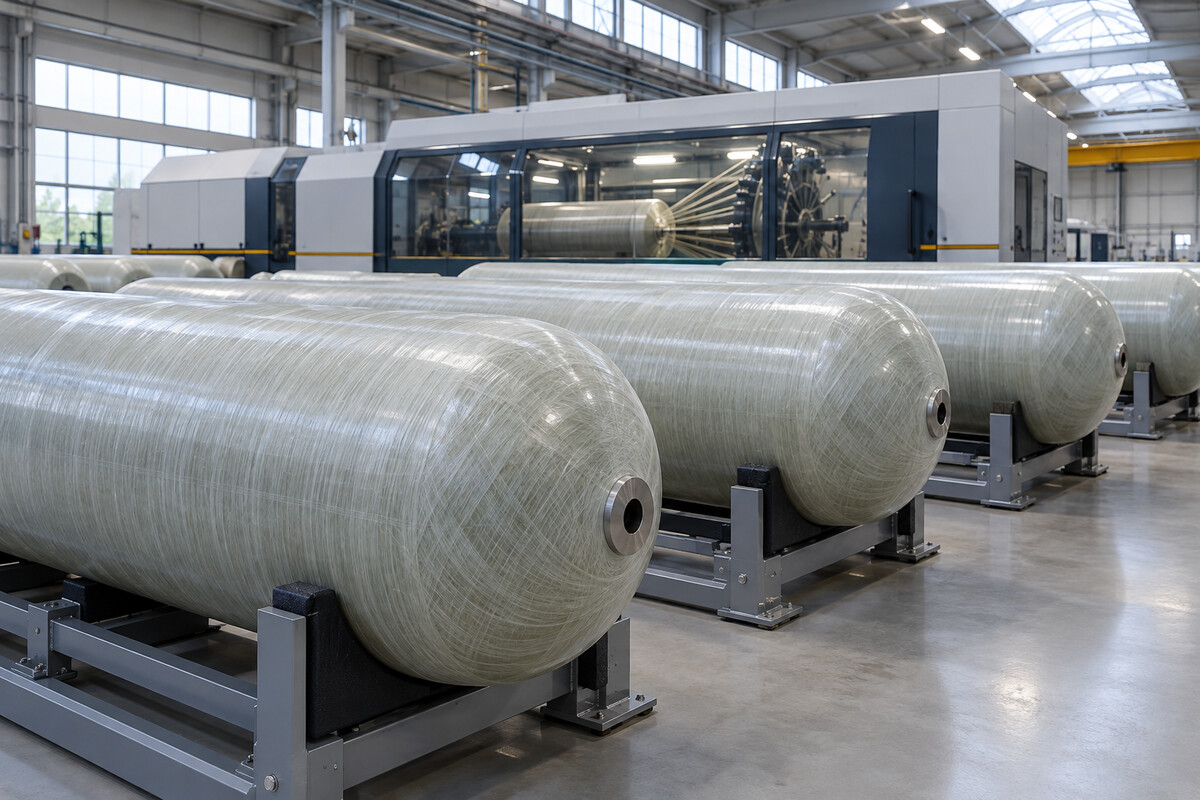
Jiaxing production begins
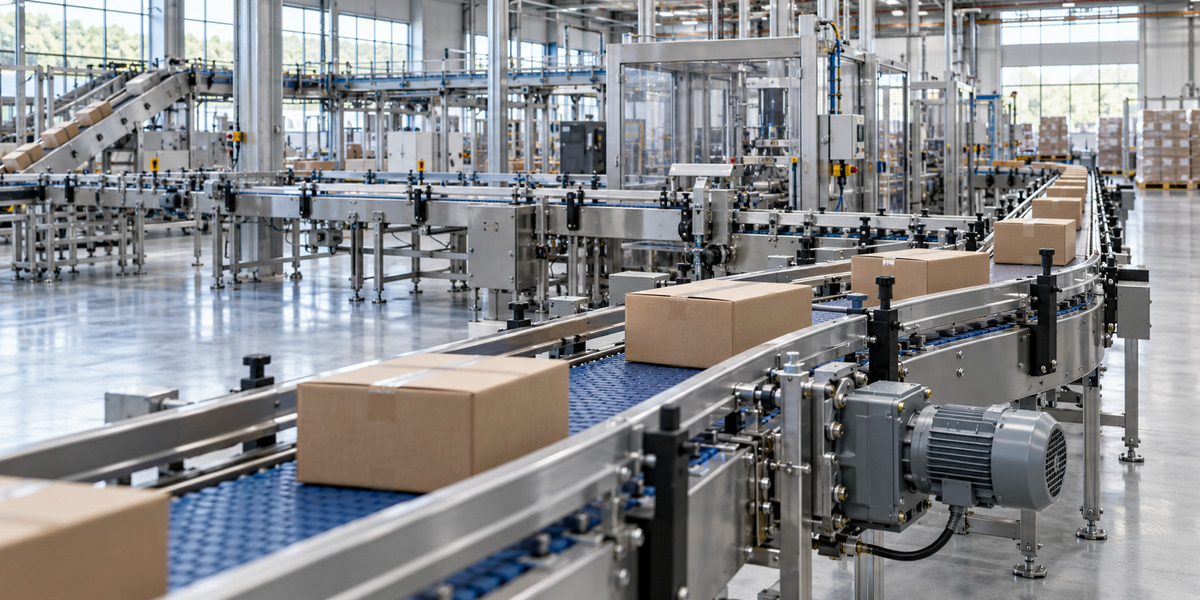
UMOE Advanced Composites (UAC) has started industrial production of composite cylinders in Jiaxing, China. Its 12,000-square-metre plant is supplying the Hiringa Sundown joint venture's Good Earth Green Hydrogen and Ammonia project in New South Wales, Australia. The delivery comprises five multi-element gas containers, or MEGCs:
- Two 20-foot containers.
- Three 40-foot containers.
UAC puts Jiaxing's potential annual capacity at up to 20,000 cylinders. CEO Lars Erik Lunøe says the plant triples capacity, with potential for 24,000 cylinders across China and Norway. UAC is pursuing domestic distribution permission. The systems also suit compressed natural gas.

Solar power and farm demand
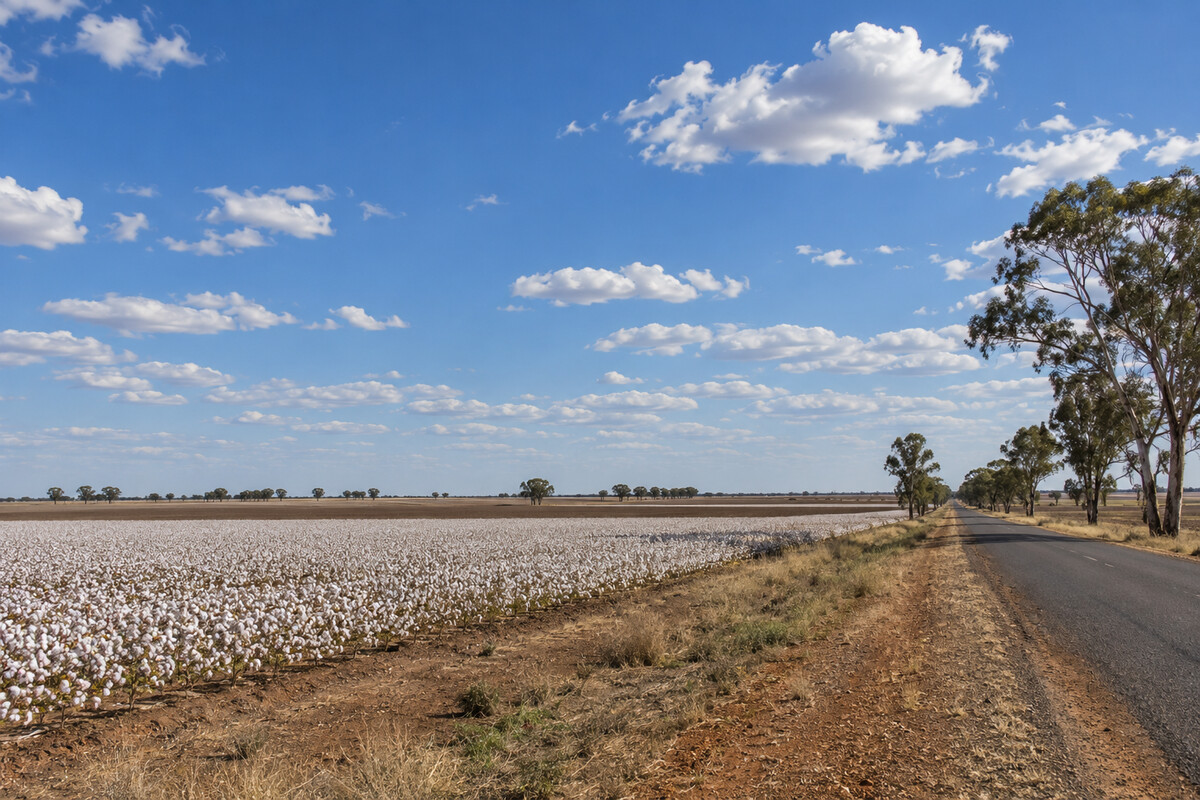
The Good Earth project reached financial close in July 2025, with financing from National Australia Bank. Hiringa's location plan places the facility alongside the Wathagar cotton gin, on Sundown Pastoral Company land 33 kilometres south-west of Moree. The project combines renewable electricity, hydrogen production and ammonia manufacture at the agricultural site.
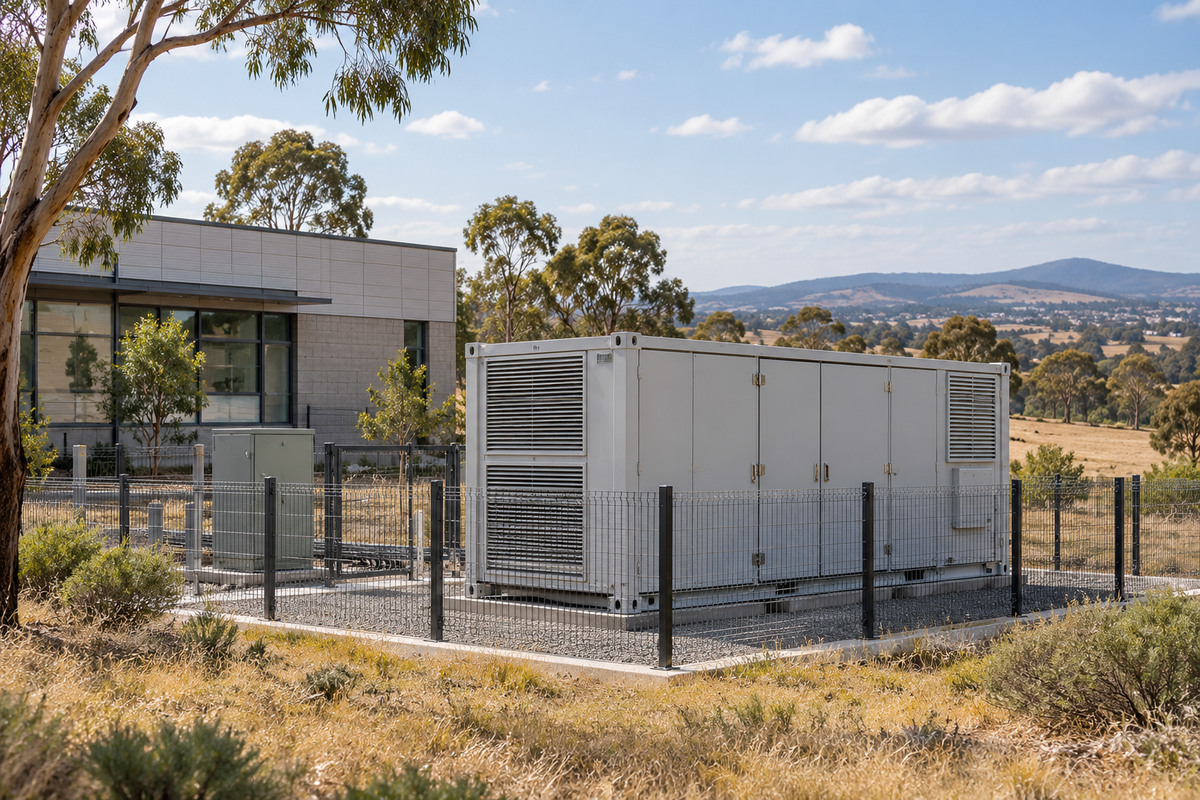
Hiringa's design provides for 36 megawatts of solar generation: an existing nine-megawatt array and 27 megawatts of new capacity. A 41-megawatt-hour battery and a low-capacity grid connection support that power supply. The proposed 15-megawatt electrolyser would use renewable electricity and locally sourced water to produce hydrogen, with nitrogen captured from air used for ammonia manufacture.

Production and storage design
The design includes a 16-tonne-per-day ammonia plant, 600 tonnes of ammonia storage and three tonnes of hydrogen storage. Hiringa also projected around 224 tonnes of hydrogen annually for direct use, including heavy-vehicle refuelling and irrigation pumping. Its July 2025 schedule targeted full operation in early 2027.
Planning approval and public support
The project received the NSW Government's green light in a planning announcement dated 9 March 2026. At that stage, the government valued the Hiringa Energy Pty Ltd and Sundown Pastoral Company joint venture at more than A$70 million and put its own investment in the development at A$45.2 million.
The government expects the project to generate at least 60 construction jobs and ten permanent positions once operating. It projects annual ammonia production of 4,500 tonnes, intended for fuel and fertiliser. Those employment and production figures describe the planned facility rather than a completed operating year's results.
Sundown's Keytah cotton farm is the intended primary customer, with surplus available to other farming operations nearby. The government's plan links renewable hydrogen and ammonia supply to replacing diesel and fossil-fuel-derived fertiliser on farms. That agricultural demand is the destination for the project supported by UAC's gas-storage delivery.

Leave a comment