
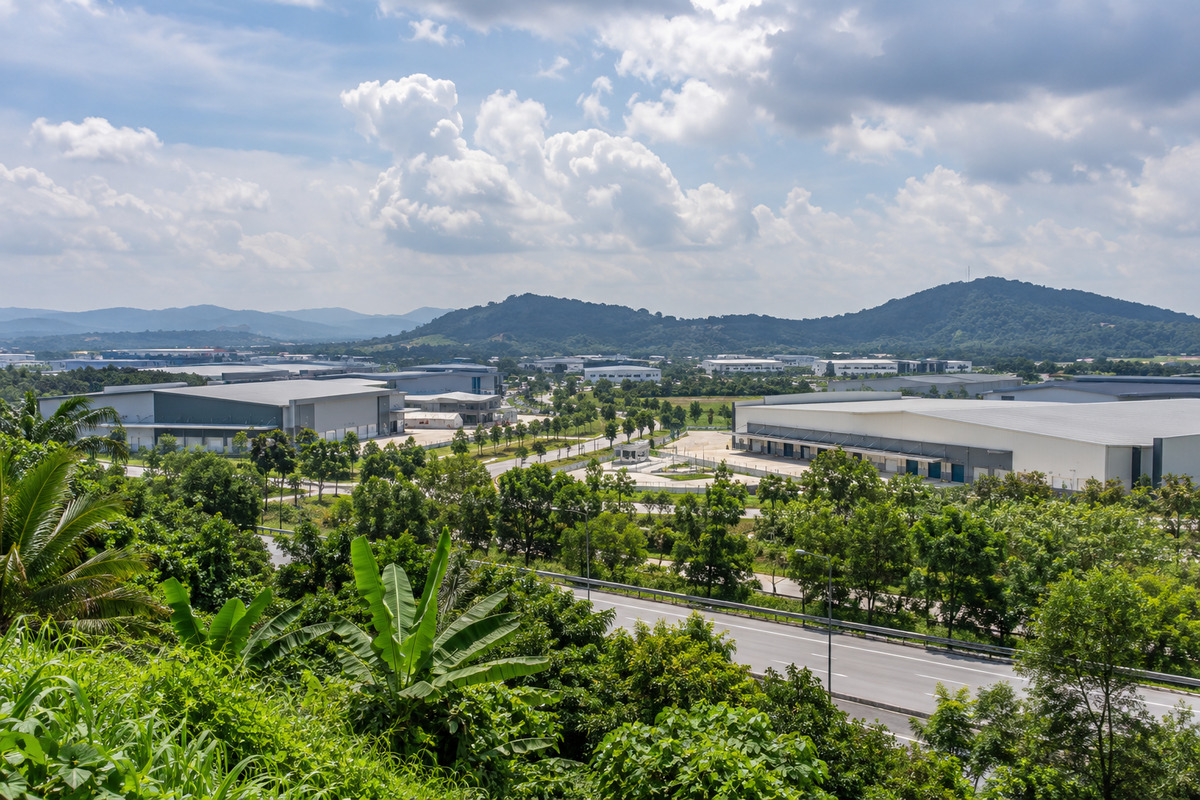
More warehouse space planned through 2026
Tasco Bhd plans a further RM400 million of warehouse investment through 2026. Executive chairman Lee Check Poh announced the programme at the June 6, 2024 launch of its four-storey Shah Alam Logistics Centre warehouse in Malaysia.
The building adds 600,000 square feet to the site’s existing 400,000 square feet. About 70% was leased, Lee said, with talks continuing for the remaining space.

Operational warehouses precede the launch ceremony
Tasco’s four-storey Shah Alam warehouse and a separate single-storey warehouse at Westports were completed and handed over during the final quarter of its financial year ended March 31, 2024. Both were fully operational by the company’s April 30 filing and had begun contributing to revenue and earnings. Together, they added about 650,000 square feet to the group’s warehouse portfolio.
The logistics group entered its new financial year after a fall in annual revenue to RM1.07 billion from RM1.61 billion, a decrease of 33.2%. Tasco attributed the tougher trading environment to normalising international freight rates and slower global demand after the pandemic-era supply chain disruption. Its expansion strategy remained focused on customer service and adding capacity where beneficial to the business. The company remained cautiously optimistic for FY2025, while identifying risks to customers and operating costs.
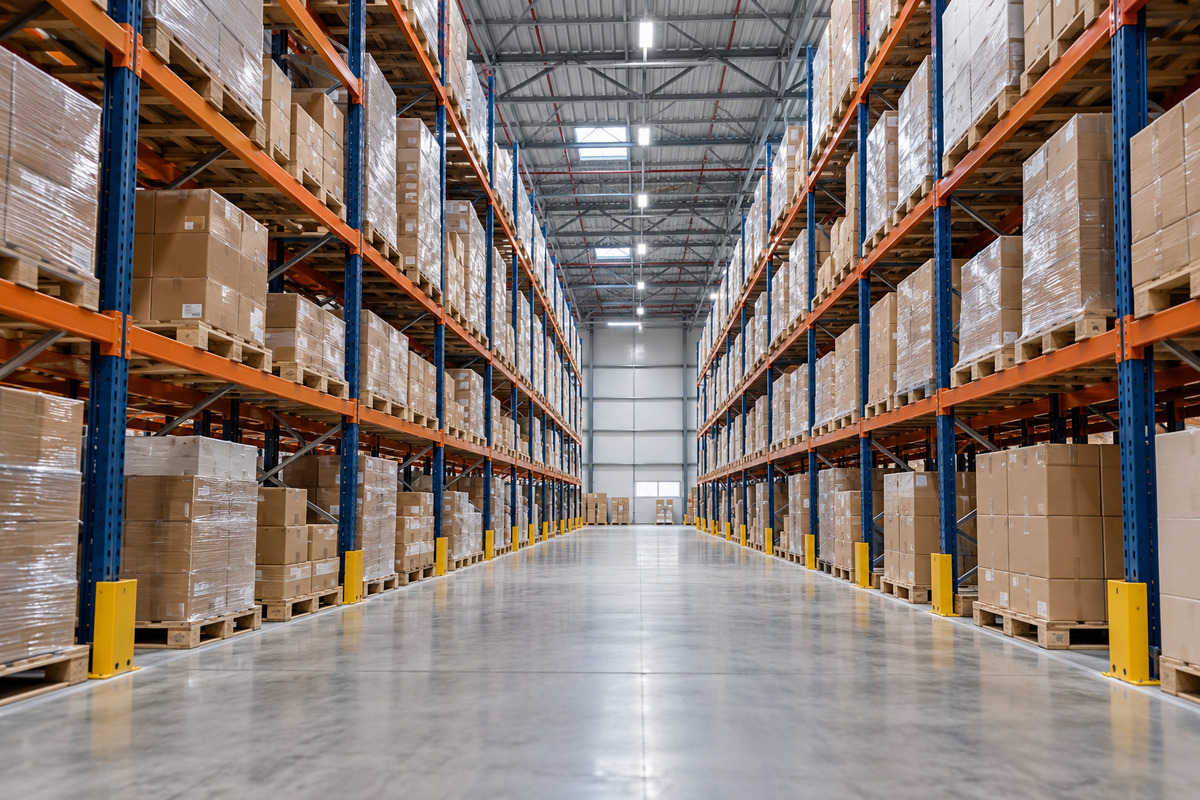
Shah Alam and Northport pipeline
Lee’s plans cover two locations. Shah Alam would gain another 400,000 square feet, taking the hub to 1.4 million by 2026. Northport would receive two warehouses totalling 600,000 square feet, with almost half devoted to automated cold storage.
Tasco’s cold-chain partnership with Japan predates this expansion. Japan Overseas Infrastructure Investment Corporation for Transport & Urban Development, known as JOIN, secured ministerial approval on March 26, 2019 for an investment of approximately ¥3.6 billion alongside Tasco. Tasco was a subsidiary of Yusen Logistics when the project was announced.
The cold-chain project serves the suburbs of Kuala Lumpur, providing temperature-controlled logistics mainly for frozen and chilled food. JOIN identified demand for both Halal and non-Halal services in Malaysia and other ASEAN countries. The organisation expected the partnership to extend Japanese cold-chain expertise and networks across the region.
Lee also warned that incoming warehouse supply could create short-term oversupply. He expected conditions to stabilise over the medium and long term if economic growth continued.
Company-identified downside risks
- Weaker-than-expected economic recovery;
- Inflationary pressure on operating costs;
- Geopolitical tensions and trade disputes affecting customers.











Leave a comment