
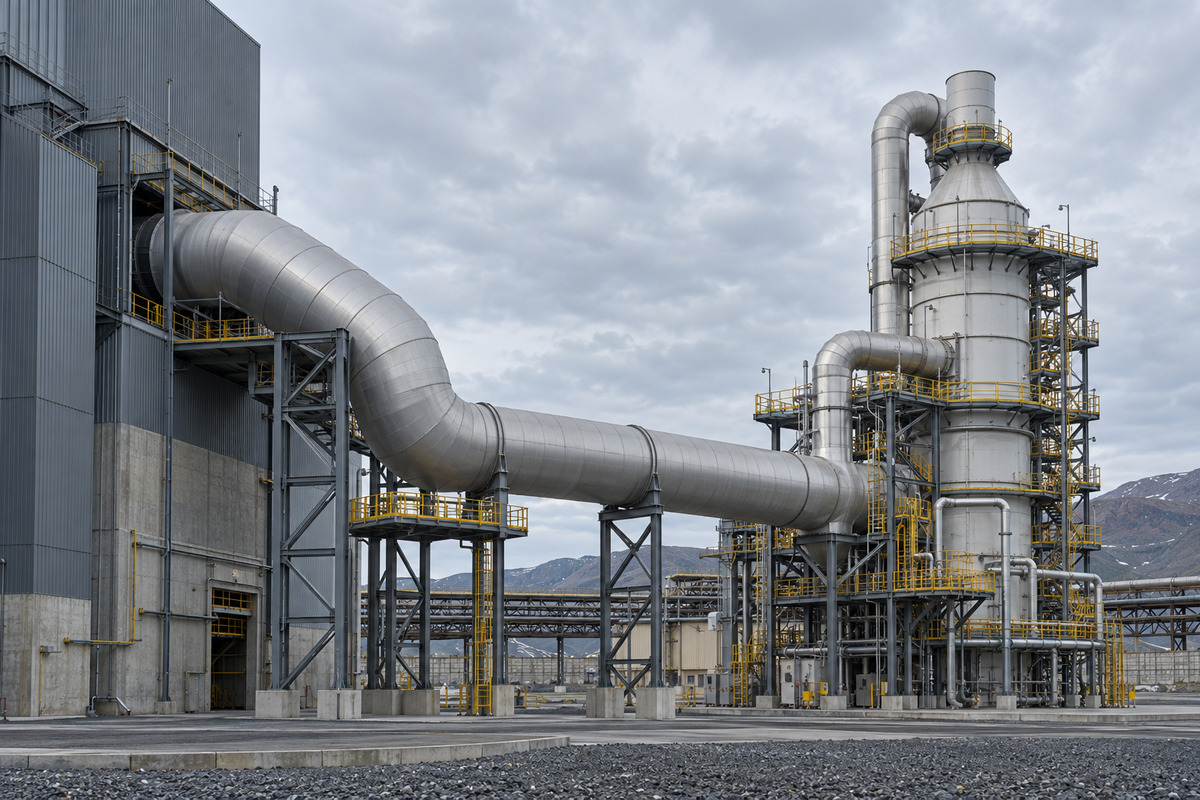
First line moves towards design capacity
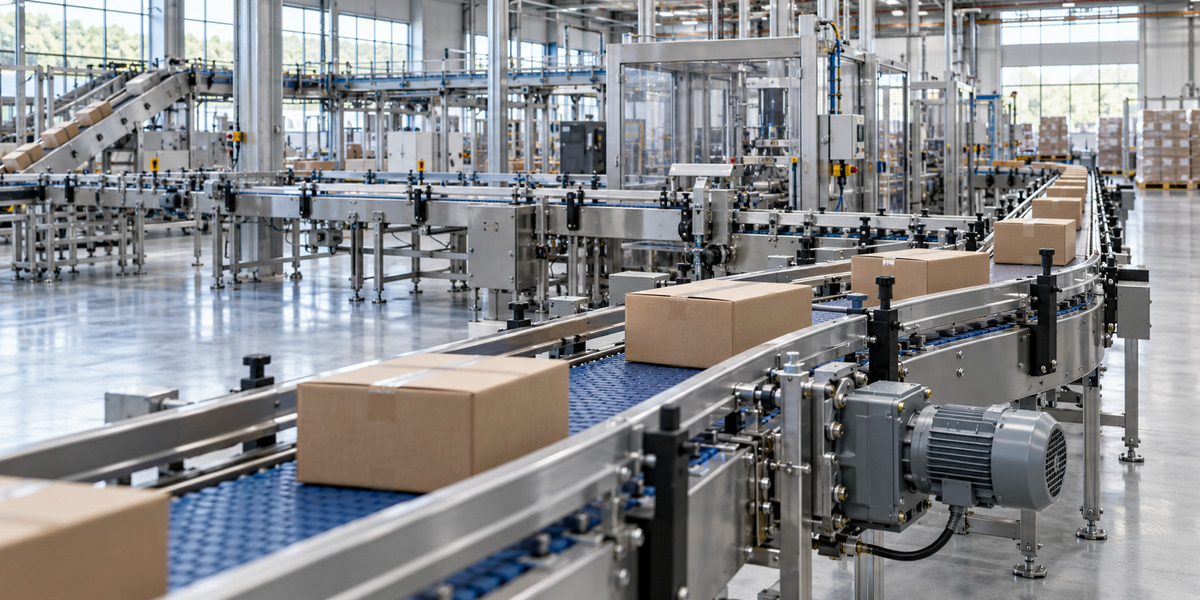
Nornickel's first Sulphur Programme line at the Nadezhda Metallurgical Plant in Norilsk is moving towards its full operating capacity. President Vladimir Potanin said the installation had achieved sulphur-capture performance above 99%, despite difficulties obtaining equipment from Western suppliers. Gypsum storage remained a substantial operating expense, in Potanin's assessment.
The second and third lines were scheduled for launch towards the end of the third quarter. Potanin expected the completed system to reduce emissions in Norilsk by 45%, capturing almost one million tonnes of sulphur dioxide. These were design-capacity targets and planned commissioning dates, rather than confirmation that the additional lines were already operating. Interfax interview
Treatment figures cover a defined period
Disposal of sulphur dioxide and off-gases totalled 40,000 tonnes between the programme's launch in October 2023 and late March 2024, according to the company's sustainability figures. The first processing line's reported efficiency was 99.6%. That percentage measured the line's performance, rather than a reduction in emissions across the entire city.
Nornickel projected a 20% decrease in Norilsk's sulphur dioxide emissions for 2024. Monitoring arrangements covered communities and industrial emission sources, including:
- Norilsk, Kayerkan, Oganer and Talnakh;
- Talnakh Concentrator, Copper Plant and Nadezhda Metallurgical Plant.

Construction and neutralisation infrastructure
The first stage opened in October 2023 after more than three years of construction in Russia. Approximately 4,000 construction workers and over 400 equipment units participated. Around 500 jobs were created to operate the facility. Equipment and materials arrived principally along the Northern Sea Route, assisted by icebreakers.
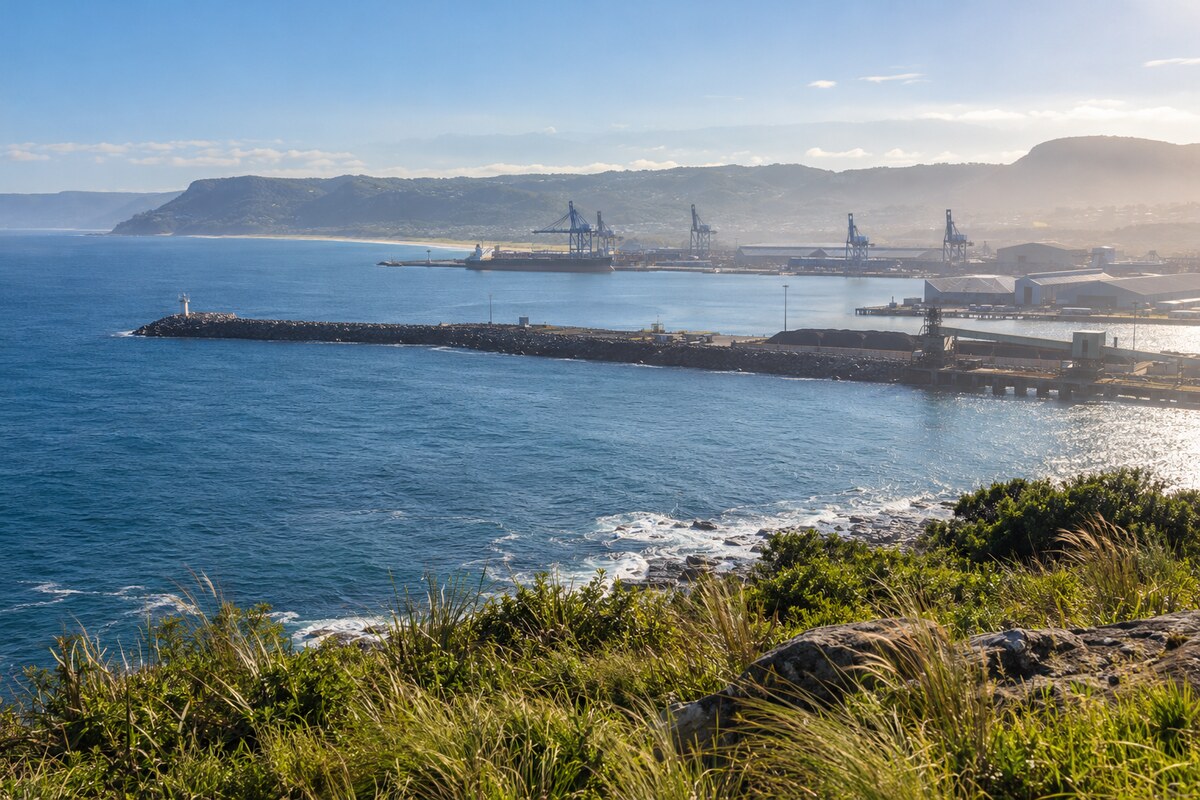
Sulphur dioxide becomes sulphuric acid, which is neutralised with limestone. The resulting gypsum goes into dedicated storage. Norilsk has no external railway connection and a limited navigation season on the Yenisei River.

The community monitoring pilot began in February 2024. An industrial-site pilot was scheduled before July 2024; that timetable remained a plan in the presentation. The monitoring systems were designed to cover pollution sources and air quality in populated areas.
More than 90% of the project's equipment came from Russia or allied countries after replacement suppliers were found. The investment estimate at the October launch exceeded RUB 180 billion on full completion, with the expenditure classified as environmental spending. Launch announcement
Leave a comment