
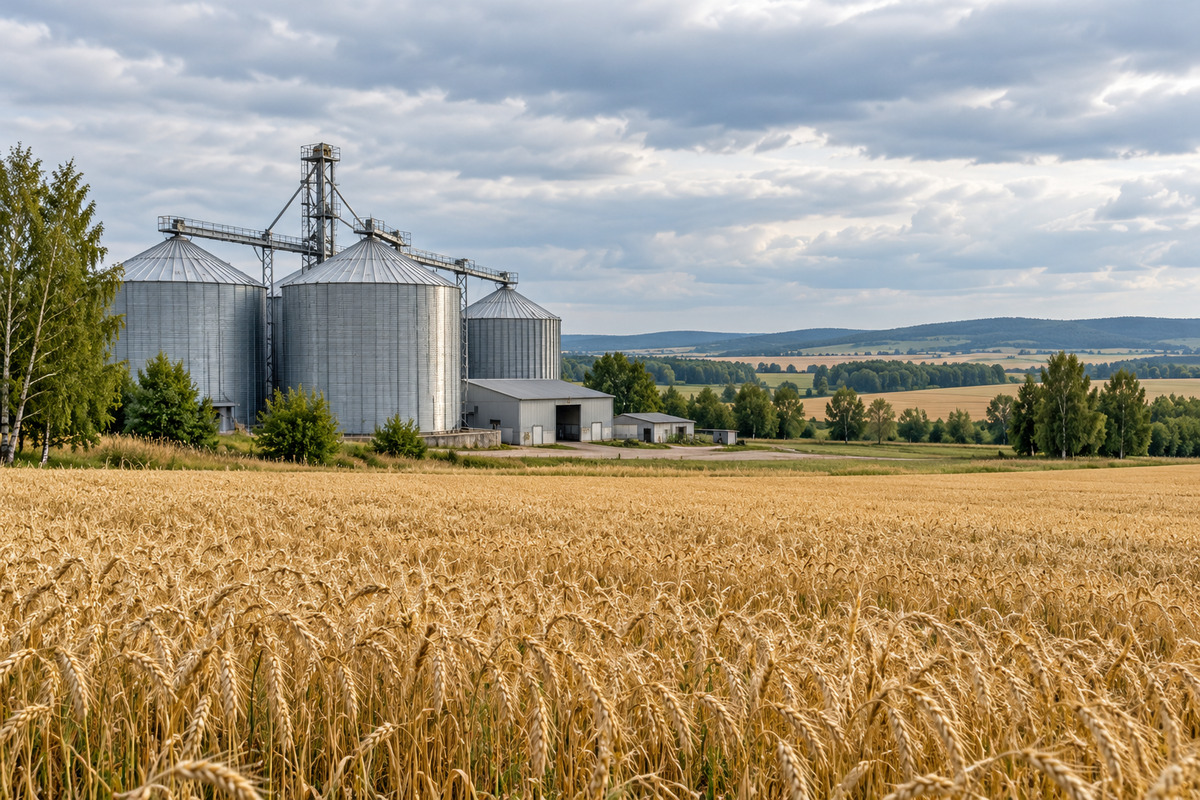
A grain-processing proposal for Sterlitamak
Continent LLC plans a 7.2 billion ruble complex in Bashkortostan’s Sterlitamak district in Russia. The proposed plant would produce feed microbiological protein, amino acids and vitamins, with 250 jobs projected by the regional authorities. The project has priority status, with possible tax benefits, and a five-year implementation period, according to the republic’s Agriculture Ministry. Large grain producers in the district and nearby areas would supply its raw materials.
Continent was registered in Bashkortostan at the end of 2018 and is owned by Rinat Gabidullin. Its registered activities include feed protein, premixes, vitamins, antibiotics, amino acids and enzymes. The regional ministry estimated that imports supply half the country’s required feed amino acids. Continent’s project remained at the planning stage when Interfax covered the proposal on May 8, 2026.
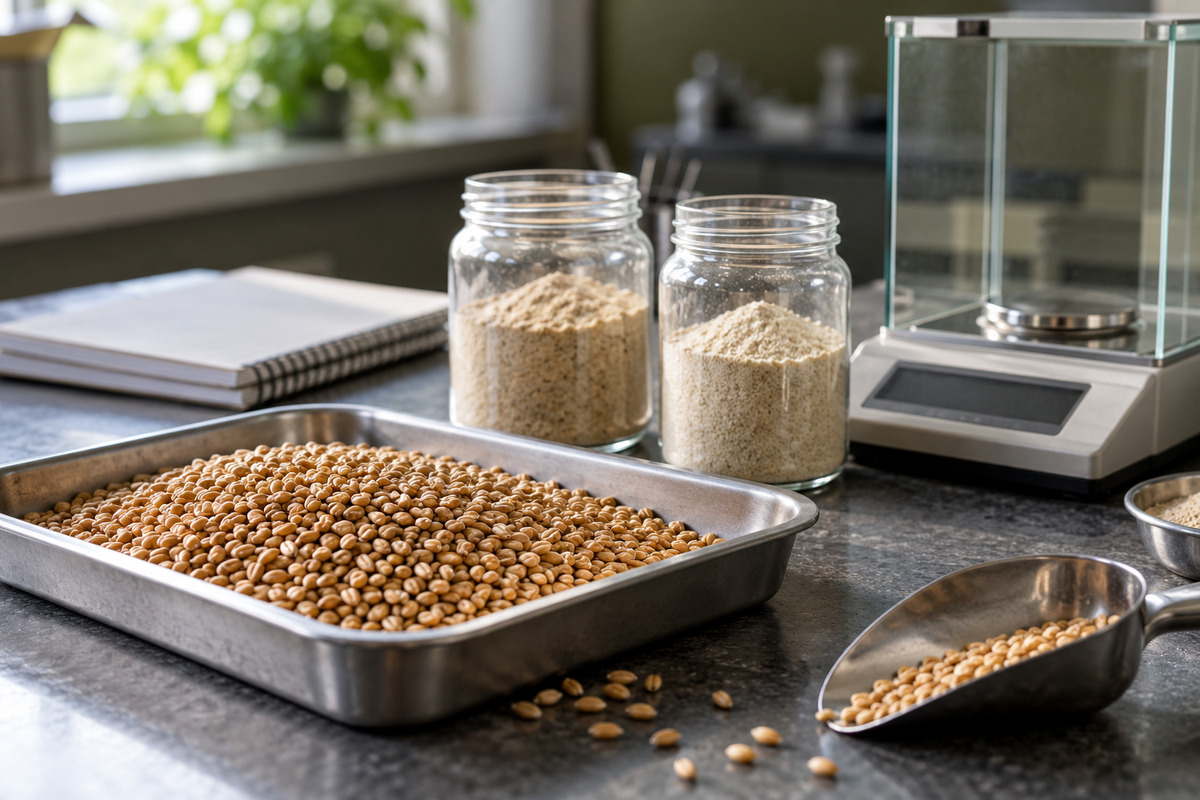
Earlier support rules for feed ingredients
Russian producers of feed and food additives could receive reimbursement of up to 20% of eligible facility costs from 2027 under measures announced on March 13, 2025. The government had approved support for creating or modernising these production facilities. The Agriculture Ministry would select qualifying projects competitively. Eligibility covered capacity commissioned no earlier than 2024. The measures addressed enzyme preparations and additives used in livestock farming and food production.
The announced reimbursement framework distinguished several requirements:
- Compensation would cover part of actual costs incurred.
- The maximum rate was 20%, rather than full project financing.
- Projects would need to pass the ministry’s competitive selection.

Protein quality and amino-acid production
Feed protein requirements vary with animal species, age and growth stage. Balanced amino-acid supply and available energy affect protein use. The Food and Agriculture Organization’s 2004 proceedings distinguish total amino-acid content from the amount available to an animal: chemical composition alone may not establish availability at tissue level. Ileal digestibility is important in diet formulation. Maize protein can be limited in lysine, while soybean protein has limitations in methionine and cysteine. These are nutritional considerations, rather than specifications for Continent’s proposed products.
Industrial amino-acid production uses different methods. DL methionine was chemically synthesised for poultry feeds during the 1950s and 1960s. Fermentation-based L-lysine production began in Japan in the 1960s; L-threonine and L-tryptophan followed in the late 1980s. Biotechnology and improved microbial strains subsequently changed production economics. FAO’s consultation identified potential for industrial amino acids to improve protein utilisation, while stressing continued assessment of cost effectiveness. It did not evaluate the later Bashkortostan proposal.




Leave a comment