
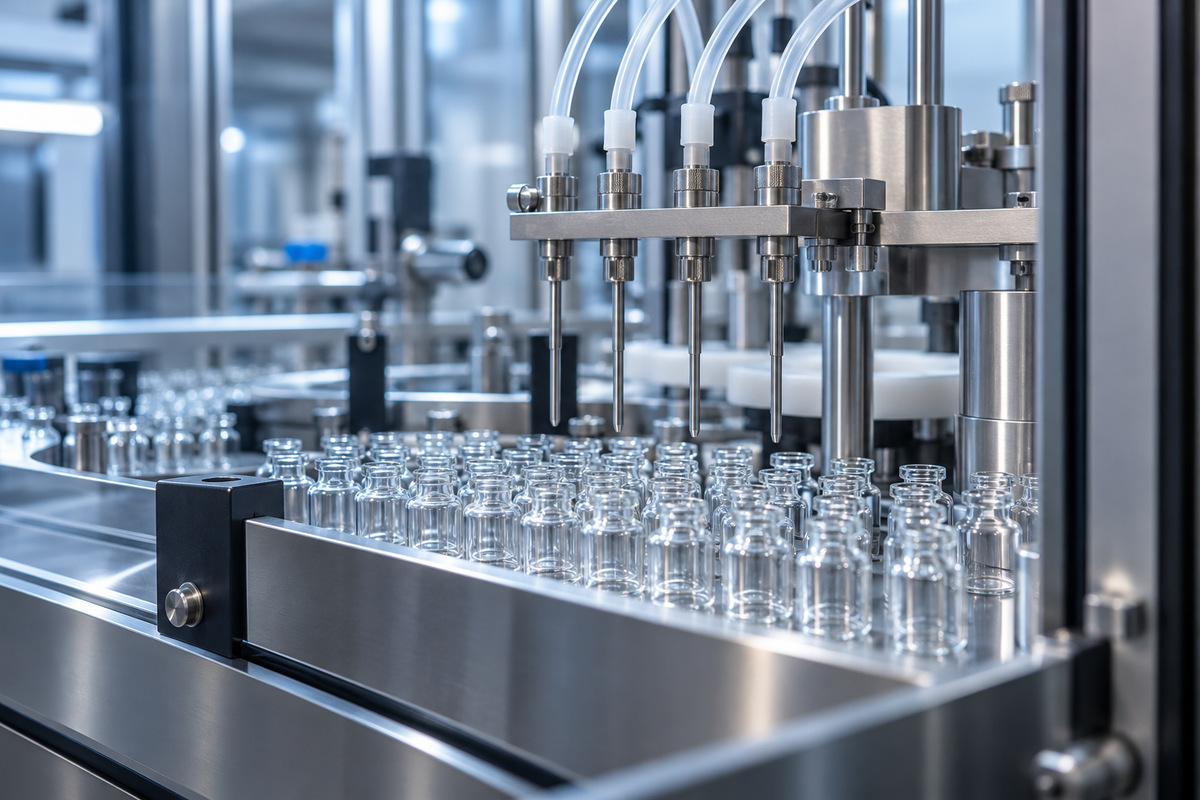
RNA facility design
HDR designed the 4,500-square-metre RNA Research and Manufacturing Facility at Macquarie University Innovation Precinct for Health Infrastructure. The NSW Government invested A$96 million. The facility opened on Apr 21, 2026; Aurora Biosynthetics is its operator.
HDR worked with the Office of the Chief Scientist & Engineer, NSW RNA Bioscience Alliance and Hindmarsh Construction. Its laboratory provision includes:
- pDNA and mRNA production suites;
- lipid nanoparticle encapsulation;
- pilot fill-and-finish and integrated quality-control laboratories.

Construction at Wallumattagal
Construction was under way by September 2024 at Macquarie University's Wallumattagal campus, alongside the Connect Macquarie Park Innovation District. The district accommodates medical and health organisations as well as industrial and technology startups. The project combined laboratory accommodation with manufacturing production lines intended for use by both researchers and industry.
At that stage, the NSW Government planned a facility where RNA vaccines, therapeutics and delivery technologies could be designed and tested independently, with manufacturing provision for the three main clinical-trial phases. Completion was scheduled for 2026. These were the development objectives announced during construction.

Equipment and services
By Nov 9, 2025, the facility's foundations, structure and utility connections were finished. A VanRX robotic filling machine costing A$6 million had also been installed. The laboratory construction still faced certification requirements: completion of the building infrastructure was a step towards meeting Therapeutic Goods Administration requirements.
The NSW Government's November update scheduled the opening for the following year. It envisaged pilot-scale manufacturing of multiple RNA therapeutics within a single site, supported by laboratory and ancillary spaces. Prospective applications extended beyond human vaccines and treatments to agricultural pest control and animal health.
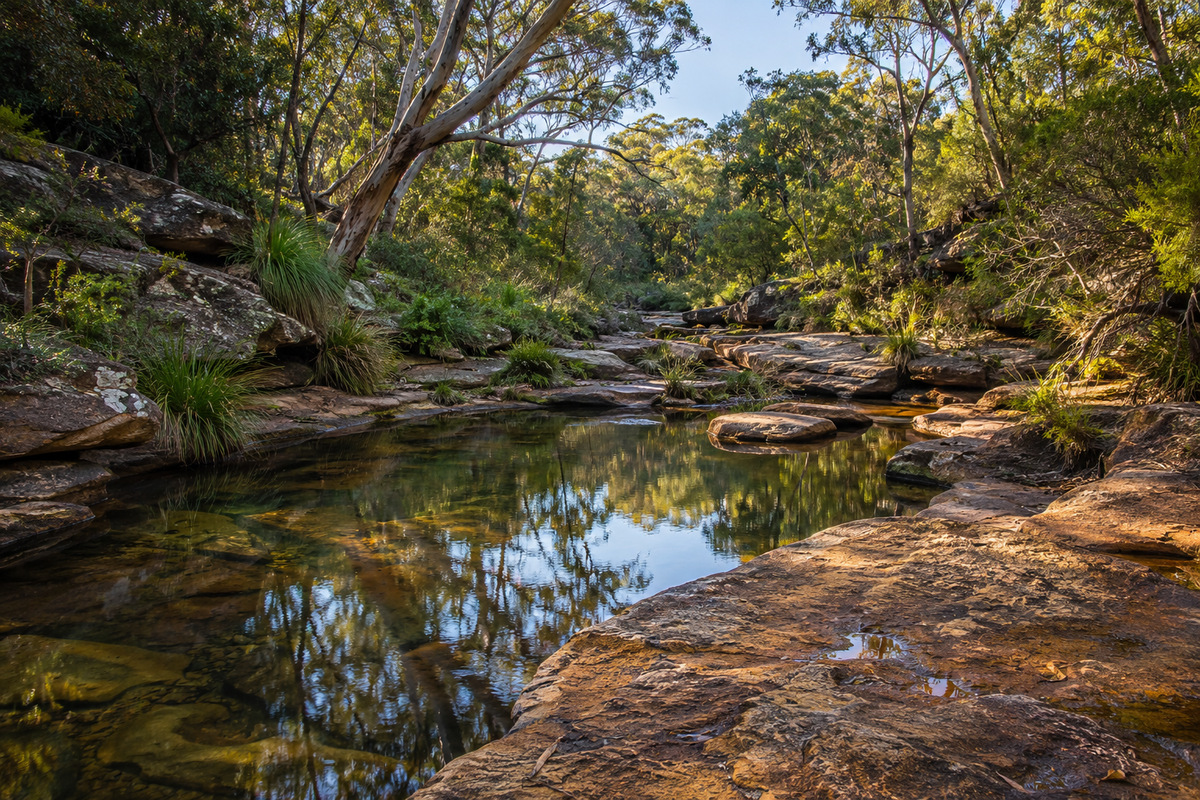
HDR used computational modelling to test production scenarios. Its design supports GMP-aligned operations and TGA approval pathways. HDR incorporated passive design, renewable-powered all-electric services and water-saving measures. Engagement with Walanga Muru, Macquarie University's Indigenous strategy office and Belanjee informed the architecture and landscape.
Company contact
HDR
Level 24, 25 Martin Place
Sydney, NSW 2000, Australia
Phone: +61 2 9956 2600
Website: https://www.hdrinc.com/
Leave a comment